Can healthcare supply chain automation solve bleeding revenue?

Healthcare supply chain automation has become a focal point for hospitals grappling with widespread challenges—rising operational costs, inconsistent inventory levels, fluctuating demand, and the mounting pressure to deliver high-quality patient care.
These hurdles often stem from outdated manual processes, labor-intensive workflows, and fragmented data, leaving healthcare providers exposed to supply shortages, inflated expenses, and administrative bottlenecks. The medical industry has begun to see the immense value in leveraging automation to solve for this.
Key takeaways
Key takeaways

Healthcare supply chain automation helps reduce costs, improve efficiency, and improve visibility.

Hospitals can reduce waste and costs by using ERP systems, AI tools, and inventory management software.

40% of healthcare providers have had to cancel surgeries due to supply shortages. Automation can prevent this.

Predictive analytics allows healthcare providers to prepare for future demand and avoid running out of stock.
The growing need for healthcare supply chain automation
The healthcare supply chain needs to work more efficiently, cut costs, and be more reliable. Hospitals and healthcare providers must manage procurement, inventory, and distribution smoothly to provide timely care and stay financially healthy.
Automation is now essential for the industry. Rising costs, supply chain disruptions, and the need for real-time visibility mean that healthcare organizations need better solutions to improve efficiency, accuracy, and patient care.
What is healthcare supply chain automation?
Healthcare supply chain automation uses technology to simplify the process of buying, managing, and delivering medical supplies. It helps reduce errors, improves data accuracy, and prevents supply shortages or overstocking.
Key technologies driving healthcare supply chain automation
Automation makes the healthcare supply chain faster, smarter, and cheaper. From AI-powered analytics to streamlined inventory management, it's transforming how medical supplies are managed.
Still got some questions?
We have the answers.
Still got some questions?
We have the answers.
Major challenges in healthcare supply chain management
Major challenges in healthcare supply chain management
Healthcare supply chains face big challenges. Without real-time visibility and smart tools, critical issues can quickly disrupt care.
Despite improvements, healthcare providers still face:
Sudden increases in demand can cause shortages of critical supplies.

Poor tracking can lead to expired products, increasing waste and compliance risks.

Inefficient manual processes drive up costs, hurting patient care budgets.

Limited visibility into the supply chain makes it hard to anticipate problems.
Why healthcare supply chain automation is essential
Why healthcare supply chain automation is essential
Automation isn’t just a luxury—it's a must. It boosts efficiency, reduces costs, and ensures high-quality patient care.
In 2023, U.S. hospitals reported combined medical and surgical supply costs exceeding $57 billion, according to Definitive Healthcare.
A study by Cardinal Health found that 40% of healthcare providers have canceled surgeries due to supply shortages. Automated tracking prevents such disruptions and ensures that surgeries do not experience delays.
A Black Book study showed that 69% of healthcare IT leaders consider the supply chain their most valuable data asset. AI-driven tools help predict demand, improve planning, and reduce the risk of running out of supplies.
Building resilience in healthcare supply chains
The focus is no longer just on fixing current problems. It’s about preparing for future challenges. As operational costs rise and threats like cyberattacks, natural disasters, and political issues increase, healthcare organizations need to make resilience a priority.
Hospitals are turning to decentralized models, multi-source procurement, and better data use. These strategies help ensure supplies are available, reduce risks, and improve reliability. Shifting from reactive to proactive planning will be key to providing reliable care.

The role of IT in healthcare supply chain transformation
For IT leaders in healthcare, the focus should be on using ERP-powered e-commerce solutions to:
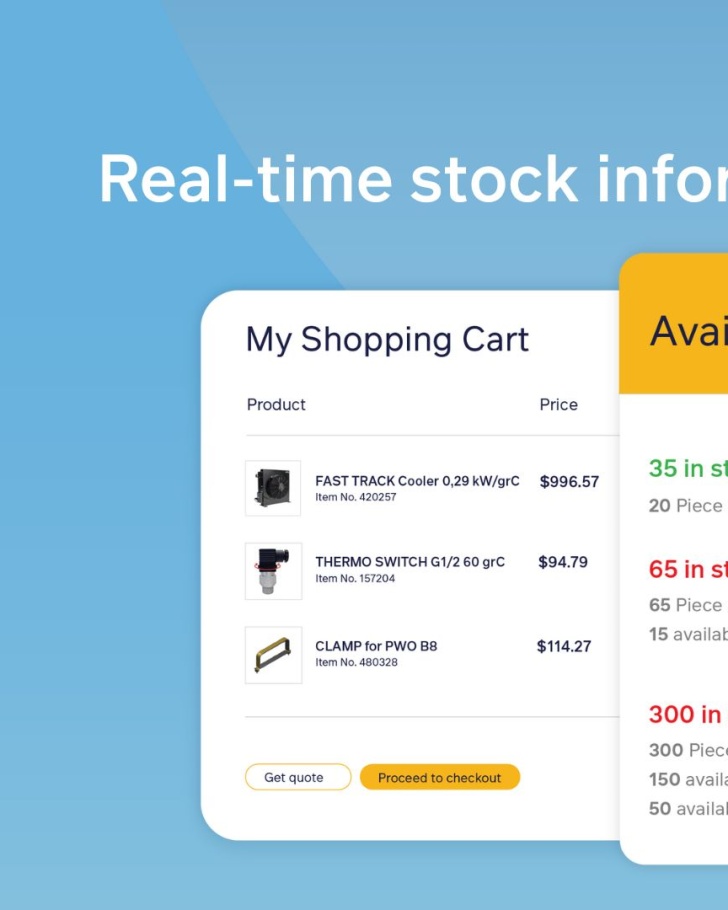
- Provide real-time updates on product availability and expiration dates.
- Improve transparency in order processing and shipping.
- Collect and analyze demand data for better planning.
B2B e-commerce platforms are growing in healthcare. ERP-integrated solutions make purchasing easier. They also automate orders and improve patient care.
Optimizing healthcare with automation
Healthcare organizations need to move from reacting to problems to using technology to prevent them. Whether through AI forecasting, RFID tracking, or automated order processing, supply chain automation is a must-have solution.
Investing in healthcare supply chain automation today will help providers handle future challenges and improve patient care and efficiency.
Stay updated on healthcare supply chain trends
Stay updated on healthcare supply chain trends
Learn more about how automation is improving the healthcare supply chain.